The Art of Watering: A Comprehensive Guide
Watering your garden effectively is crucial for plant health and vibrant growth. However, simply spraying water around isn't enough. Understanding the needs of your plants and employing the right watering techniques can make all the difference.
Understanding Your Plants' Needs
Different plants have different watering requirements. Factors like plant type, soil composition, climate, and the stage of growth all play a role in determining how much and how often to water. Research the specific needs of your plants to ensure they receive the optimal amount of hydration.
- Consider the plant type: Succulents and drought-tolerant plants need less frequent watering compared to leafy vegetables or flowering plants.
- Check the soil: Sandy soils drain quickly and require more frequent watering, while clay soils retain water for longer.
- Monitor the weather: During hot and dry periods, plants will need more water. In cooler or rainy weather, reduce watering frequency.
Effective Watering Techniques
Choosing the right watering technique can improve water efficiency and promote healthy root development.
- Water deeply and less frequently: Encourage deep root growth by watering thoroughly until the soil is moist several inches below the surface. This allows plants to develop stronger roots and become more resilient to drought.
- Water at the base of the plant: Avoid wetting the foliage, which can create conditions that promote fungal diseases. Direct the water to the root zone using a watering can, soaker hose, or drip irrigation system.
- Water in the morning: Watering in the morning allows the foliage to dry out before nightfall, reducing the risk of fungal infections. It also minimizes water loss through evaporation.
- Use a soaker hose or drip irrigation: These methods deliver water directly to the roots, reducing water waste and preventing foliage from getting wet.
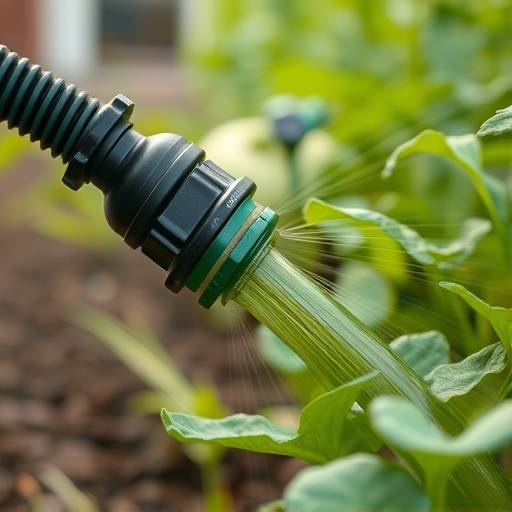
A soaker hose efficiently delivers water directly to the roots of plants.
Signs of Overwatering and Underwatering
Learning to recognize the signs of overwatering and underwatering is crucial for maintaining plant health.
Overwatering Signs:
- Yellowing leaves
- Wilting leaves (even though the soil is wet)
- Soft, mushy stems or roots
- Fungal growth on the soil surface
Underwatering Signs:
- Wilting leaves
- Dry, brittle leaves
- Stunted growth
- Dry, cracked soil
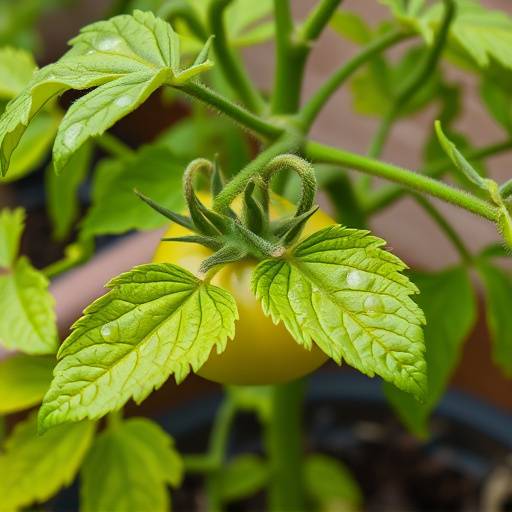
Yellowing leaves are a common sign of overwatering.
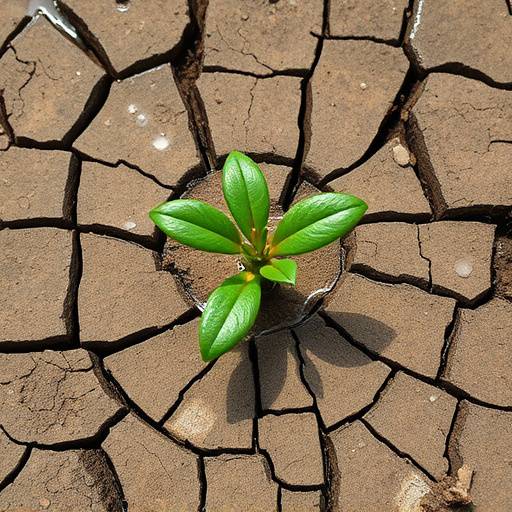
Cracked soil is a sign that your plants are not getting enough water.
Water Conservation Tips
Conserving water is essential for sustainable gardening. Here are some tips to reduce water usage:
- Use mulch: Applying a layer of mulch around plants helps retain soil moisture and reduces evaporation.
- Collect rainwater: Install rain barrels to collect rainwater for watering your garden.
- Choose drought-tolerant plants: Select plants that are well-suited to your climate and require less water.
- Improve soil drainage: Amend heavy clay soils with organic matter to improve drainage and prevent waterlogging.
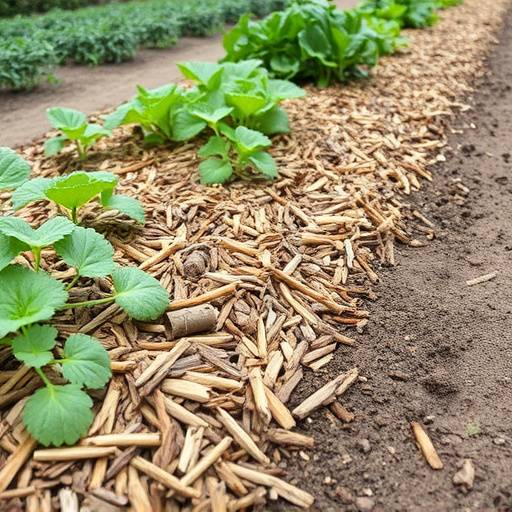
Mulch helps retain soil moisture and reduces evaporation.
Advanced Watering Techniques
For the serious gardener, advanced techniques can further optimize water use and plant health.
Smart Irrigation Systems
Smart irrigation systems use sensors and weather data to automatically adjust watering schedules based on the specific needs of your plants and the prevailing weather conditions. This can significantly reduce water waste and improve plant health.
Hydroponics and Aquaponics
These soilless gardening methods use nutrient-rich water solutions to grow plants. They are highly efficient in terms of water usage and can be used to grow plants in a controlled environment.
| Plant Type | Watering Frequency | Watering Amount |
|---|---|---|
| Succulents | Every 2-3 weeks | Until soil is moist |
| Vegetables | Every 2-3 days | Deeply, until soil is moist |
| Flowering Plants | Every 3-4 days | Until soil is moist |
| Lawns | 1-2 times per week | 1 inch of water |
"The best time to water your garden is when the plants need it, not necessarily when you think they do." - Eleanor Ainsworth, Head Gardener at Blooming Vista Gardens