Tip 3: Soil Testing and Amendment for Thriving Gardens
One of the most crucial, yet often overlooked, aspects of successful gardening is understanding your soil. Soil testing and amendment are fundamental practices that lay the groundwork for a flourishing garden. At Blooming Vista Gardens, nestled in the fertile valleys of Sonoma County, California, we emphasize the importance of knowing what your soil is made of and how to optimize it for the plants you wish to grow.
Soil is more than just dirt; it's a complex ecosystem teeming with life and essential nutrients. Different plants have different needs, and your native soil might not naturally provide the right balance. That's where soil testing and amendment come into play.
Why Soil Testing Matters
Soil testing provides valuable insights into your soil's pH level, nutrient content (such as nitrogen, phosphorus, and potassium), and overall composition. Without this information, you're essentially gardening in the dark, guessing what your plants need. Soil tests can reveal deficiencies, imbalances, or even toxicities that might be hindering your plants' growth. In Sonoma County, our soil types vary widely, from sandy loams near the Russian River to clay-heavy soils in the higher elevations. A soil test helps you tailor your approach to your specific location.
- pH Level: Determines the acidity or alkalinity of your soil. Most plants prefer a slightly acidic to neutral pH (around 6.0 to 7.0).
- Nutrient Levels: Measures the amount of essential nutrients available to plants.
- Organic Matter Content: Indicates the amount of decomposed plant and animal material in the soil, which improves soil structure, water retention, and nutrient availability.
- Soil Texture: Determines the proportion of sand, silt, and clay in the soil, affecting drainage and aeration.
How to Conduct a Soil Test
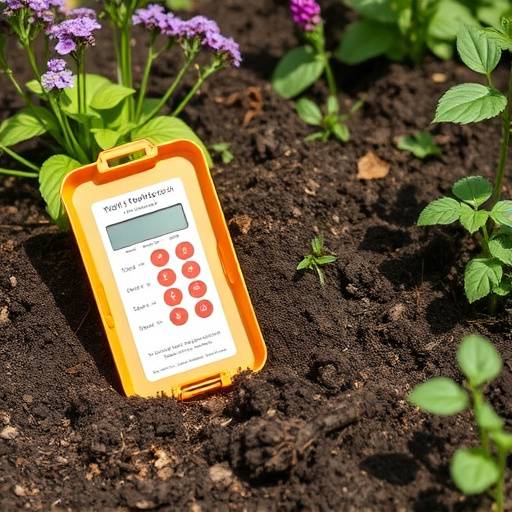
You can conduct a soil test yourself using a home testing kit, or you can send a sample to a professional soil testing laboratory, such as the Sonoma County Farm Bureau. Home kits are convenient for basic pH and nutrient level checks, while lab tests provide more comprehensive and accurate results.
- Collect Soil Samples: Take multiple samples from different areas of your garden, digging down about 6-8 inches.
- Mix the Samples: Combine the samples in a clean bucket and mix thoroughly.
- Follow Kit Instructions: If using a home kit, follow the instructions carefully. For lab tests, package the sample according to the lab's guidelines and send it in.
- Interpret the Results: Compare the results to optimal levels for your desired plants.

Understanding Soil Amendment
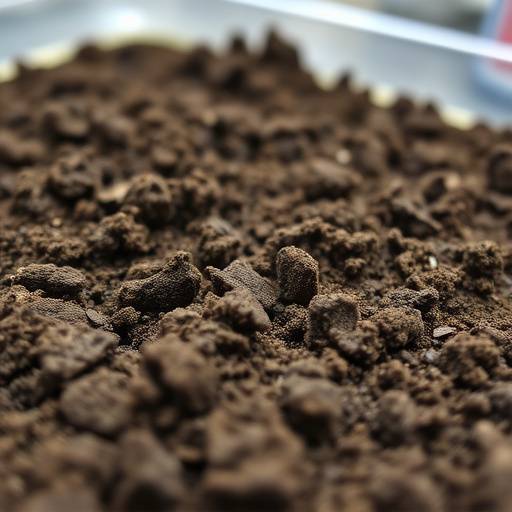
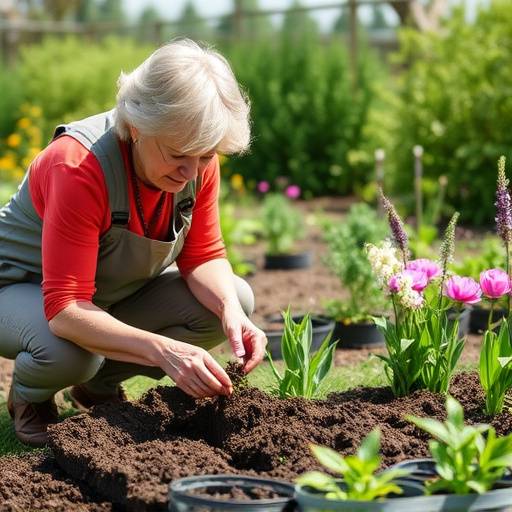
Once you have your soil test results, you can start amending your soil to correct any deficiencies or imbalances. Soil amendment involves adding materials to your soil to improve its physical and chemical properties.
Common Soil Amendments:
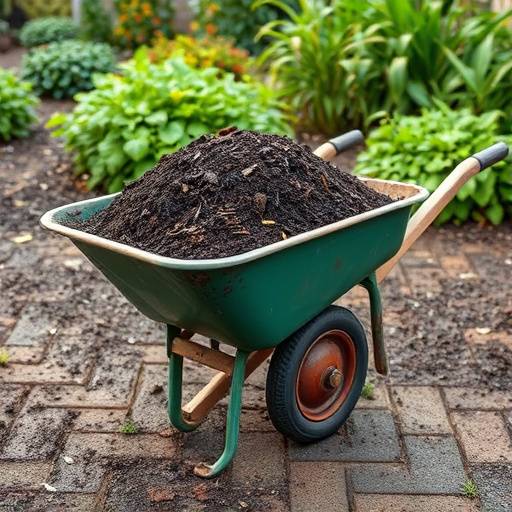
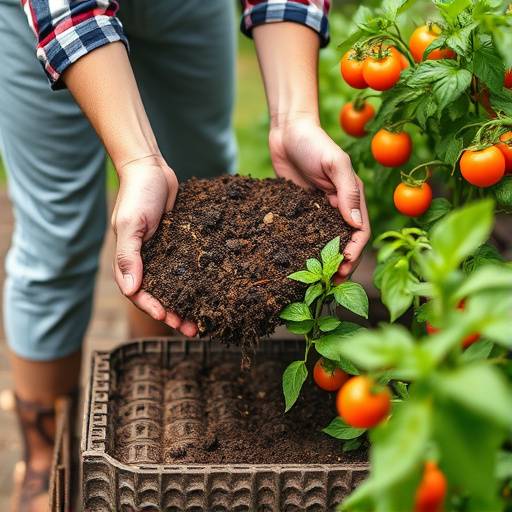
- Compost: Adds organic matter, improves soil structure, and provides nutrients.
- Manure: Rich in nutrients, but should be aged or composted before use to avoid burning plants.
- Peat Moss: Improves water retention and aeration in sandy soils.
- Lime: Raises the pH of acidic soils.
- Sulfur: Lowers the pH of alkaline soils.
- Fertilizers: Provide specific nutrients that are lacking in the soil. Choose organic fertilizers whenever possible.
Amending Different Soil Types
The type of soil you have will influence the amendments you need to use.
- Sandy Soil: Sandy soil drains quickly and doesn't retain water well. Amend with compost, peat moss, or other organic matter to improve water retention and nutrient holding capacity.
- Clay Soil: Clay soil is dense and drains poorly. Amend with compost, coarse sand (not fine beach sand), or gypsum to improve drainage and aeration.
- Silty Soil: Silty soil is prone to compaction. Amend with compost and other organic matter to improve structure and drainage.
"Knowing your soil is the first step towards a bountiful harvest. At Blooming Vista Gardens, we've seen firsthand how soil testing and amendment can transform struggling gardens into thriving paradises." - Eleanor Vance, Head Horticulturalist, Blooming Vista Gardens
Example Scenario: Correcting Acidic Soil
Let's say your soil test reveals that your soil is too acidic (pH below 6.0). Many common garden plants, such as tomatoes and peppers, prefer a slightly acidic to neutral pH. To raise the pH, you can add lime to the soil. The amount of lime you need to add will depend on the severity of the acidity and the type of lime you use. Always follow the instructions on the lime product label. Evenly distribute the lime over the soil surface and mix it in thoroughly before planting.

The Blooming Vista Gardens Approach
At Blooming Vista Gardens, we prioritize sustainable and organic gardening practices. We recommend using compost, aged manure, and other natural soil amendments whenever possible. We also encourage gardeners to rotate crops and practice cover cropping to improve soil health over time. Our team of experienced horticulturalists, including Eleanor Vance and Samuel Olsen, are available to provide personalized advice and guidance on soil testing and amendment.

Further Resources
For more information on soil testing and amendment, consider consulting with your local county extension office or a certified soil scientist. Blooming Vista Gardens also offers workshops and seminars on soil health throughout the year. Check our website for upcoming events.